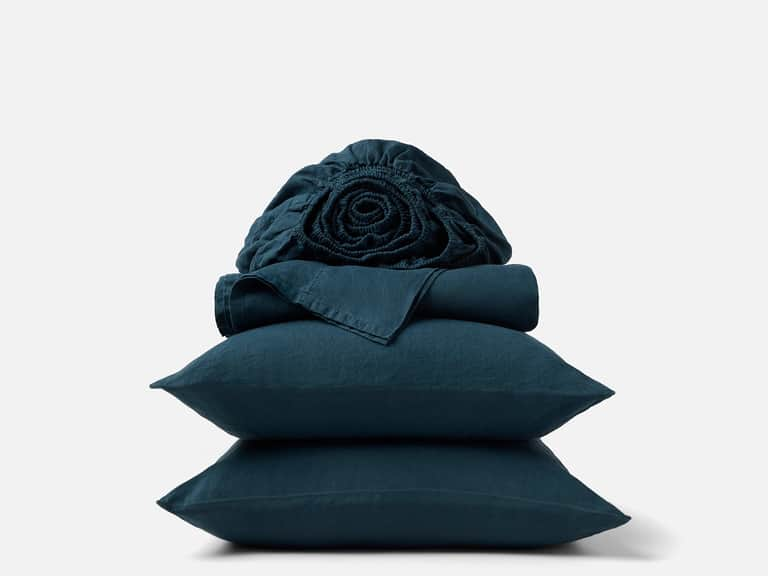
A practical guide to decorative pillows
Decorative Pillow Covers: Choosing the Right Fabric, Fit, and Care
A decorative pillow can change the mood of a room in an instant: a quiet neutral becomes layered, a sofa feels more inviting, and a bed gains an extra note of texture. The cover does more than set the look. Its fabric, construction, dimensions, and care requirements all affect how the pillow feels and how well it stands up to everyday life.
Choosing thoughtfully starts with three simple questions: Where will the pillow live? What do you want the fabric to feel like? And how much upkeep are you realistically willing to give it? Once those answers are clear, comparing covers becomes less about guesswork and more about finding a piece that suits both your space and your routines.
Begin with the pillow’s everyday role
A cover for a pillow that sits neatly at the center of a bed may have a different job from one used on a family-room sofa. In a low-traffic bedroom, appearance and texture might lead the decision. In a busy living space, frequent handling, spills, pets, and regular washing may matter just as much as color.
Think about how people will interact with the pillow. Is it mainly an accent, arranged with other pillows and moved aside at bedtime? Will someone lean against it while reading? Is it likely to be carried from the sofa to a favorite chair? These small details influence whether you might prefer a smooth, tightly woven fabric, a relaxed natural texture, or a cover with a more decorative finish.
Light, too, can change the way a cover reads. A pale fabric may brighten a dim corner, while a deeper tone can add definition to a light sofa. Textured materials often create subtle shadows that make a neutral palette feel more considered. Rather than choosing a cover in isolation, look at it alongside the upholstery, bedding, rugs, and other textiles already in the room.
- For a bed: Consider how the cover looks with sheets and duvet covers, and whether it will be removed each night.
- For a sofa or chair: Prioritize practical care if the pillow will be handled often.
- For a decorative accent: Texture, shape, and color may be the main considerations, provided care instructions suit the setting.
Compare fabrics by feel, use, and upkeep
Fabric is the first thing you notice when you pick up a pillow, but it also influences how the cover wears and what care it needs. There is no single material that works best in every home. The useful question is whether a fabric’s character matches the room and the way you plan to use it.
Linen: relaxed texture and natural variation
Linen has a distinctive, slightly irregular surface that gives a room an easy, lived-in quality. It is often chosen for its breathable feel and natural texture. Depending on how it is woven and finished, linen can feel crisp, soft, substantial, or relaxed. Its surface may crease, and that is part of its character; a perfectly smooth appearance is not always the goal.
For a decorative cover, linen can work well in a layered bedroom or on a sofa where its tactile quality is welcome. Check the care label before washing: instructions vary by fabric, finish, and construction. Some linen covers are machine washable on a gentle cycle, while others may call for different handling. Do not assume that every item labeled linen can be laundered in the same way.
Cotton: familiar and versatile
Cotton covers come in a wide range of weaves and weights. A smooth cotton may suit a crisp, tailored room, while a textured weave can feel more casual. The label and care instructions matter more than the fiber name alone: a closely woven cotton cover, a printed cover, and a heavily embellished one may each need different treatment.
For households that value uncomplicated routines, look for clear washing guidance and consider whether the cover’s finish is compatible with regular laundering. Color, dye, weave, and trim can all affect how a fabric responds to cleaning.
Velvet and other plush surfaces: rich in touch
Velvet and plush fabrics bring depth and a soft hand, making them appealing when a room needs a little visual richness. Their pile may show marks or shift direction when brushed, so the care method deserves particular attention. Some covers may need professional cleaning or careful spot treatment rather than a routine machine wash.
Blends and decorative finishes
Blended fabrics can combine different tactile or practical qualities, but the fiber blend alone does not determine how a cover should be cleaned. A surface with embroidery, fringe, appliqué, beads, or contrast piping may be more delicate than a plain cover made from a similar fiber. Consider the entire construction, not only the fabric name.
When sustainability is a priority, look beyond broad claims and check the information available about fiber content, origin, and certifications. A label can help clarify what a product is made from, but it is still useful to read the full description and care directions. Durability and the likelihood that you will use a cover for years also matter when thinking about its overall value.
Get the fit right: measure the cover and insert
Few details affect the finished look as much as fit. A cover that is too large for its insert can appear loose or underfilled. One that is too small may strain at the seams, distort its shape, or be difficult to close. The right fit gives the pillow a full, composed appearance without putting unnecessary pressure on the fabric.
Start by checking the cover’s stated dimensions and measuring the insert itself. Measure from seam to seam, rather than estimating from the outermost puffed edges. If the insert is old or uneven, measure it in more than one place and note whether it has become compressed. Decorative pillows come in square, rectangular, and less common shapes, so confirm both dimensions before making a choice.
A cover and insert with identical measurements may fit differently depending on the fabric’s stretch, thickness, and construction. Some people prefer a slightly snug cover for a plump look; a firm insert can help achieve that effect, but the cover must still close without force. Avoid treating a much smaller cover as a universal shortcut to a fuller pillow. Excessive tension can stress zippers, seams, and corners.
- Lay the insert flat and measure its width and height from edge to edge.
- Check the cover’s listed dimensions and compare them with the insert measurements.
- Look for information about the closure and any special shape or construction.
- Insert the pillow gently, working the corners into place instead of pulling hard on the seams.
- Close the cover and check that the fabric lies smoothly without bulging or straining.
Pay attention to the closure as well. A zipper can create a neat finish, but it should not catch the fabric when opened or closed. An envelope-style opening avoids a visible fastener, though the overlap needs to be wide enough to keep the insert covered. Button closures add a decorative detail but should be handled gently, particularly when the cover is being washed.
Balance color, pattern, and texture
Decorative pillows are a useful way to bring a room together without changing its largest pieces. A cover can echo a color already present in a rug, throw, or piece of art, or introduce a contrasting shade for a little energy. The aim is not necessarily to match everything exactly. Repeating a color or texture in a few places can make a room feel connected while leaving room for personality.
When combining patterns, vary their scale. A large, confident motif can sit comfortably beside a smaller, quieter pattern if the colors share a common thread. If the room already has plenty of pattern, a solid cover with an interesting weave can provide a visual pause. Conversely, a simple room can take on character through a printed or embroidered accent.
Texture offers another way to create interest without adding more color. Pairing a smooth fabric with a nubby or relaxed one can give a neutral palette dimension. A few carefully chosen pillows often look more intentional than a crowded arrangement. Consider how the covers will look from across the room, but also whether their fabrics feel pleasant when the pillows are actually used.
Care for decorative covers without guesswork
The care label is the best starting point. It reflects the cover’s particular fabric and construction, and it should take priority over general advice. Before washing, remove the insert and inspect the cover for loose threads, open seams, damaged fasteners, or decorative elements that may snag. If the cover has a stain, check whether the manufacturer gives specific instructions for treating it.
For machine-washable covers, close zippers and fasteners, turn the cover inside out when appropriate, and wash it with similar colors. Avoid crowding the machine; fabric needs room to move through the water and rinse clean. Use the temperature and cycle stated on the care label. A gentle cycle may be appropriate for some linen or delicate covers, but it is not a substitute for reading the specific instructions.
Use detergent sparingly and avoid adding bleach or fabric softener unless the care guidance specifically allows it. Residue can build up on textiles, and strong treatments can affect color or finish. For a new cover, testing colorfastness in an inconspicuous area may be prudent if the care label permits water washing. If the fabric is delicate, richly colored, embellished, or labeled for professional cleaning, follow that guidance rather than experimenting.
Drying and finishing
Drying deserves as much attention as washing. High heat and over-drying can stress fibers, shrink some fabrics, or affect trims and closures. If the label permits machine drying, use the recommended setting and remove the cover promptly. Line drying or air drying may be suitable for some covers, but keep them away from conditions that could cause fading or uneven drying.
Wrinkles are not automatically a problem. For linen, a relaxed finish may be part of the appeal. If the label allows ironing, follow its temperature guidance and consider pressing the fabric while it is slightly damp if that is recommended. Never apply heat to a delicate surface without checking the care instructions first.
For spot cleaning, blot rather than rub. Rubbing can spread a mark or roughen the fabric’s surface. Start with the least aggressive method permitted by the care label, and avoid soaking a small area if that may leave a ring. When in doubt, especially with expensive, embellished, or non-washable covers, consult a qualified cleaner.
Small habits that help covers last
How a cover is used between washes can make a difference. Rotate decorative pillows occasionally so one side does not receive all the handling or sunlight. Keep them away from sharp objects and rough surfaces that could pull a thread. If a pillow sits in a sunny window, consider moving it now and then; prolonged direct sun can affect some dyes and textiles.
Store clean covers in a dry place, folded loosely rather than compressed under heavy items. If you keep seasonal covers, make sure they are fully dry before putting them away. A breathable storage bag can help keep dust off while avoiding the trapped dampness that may occur in a sealed container.
When a cover is in regular use, cleaning frequency should reflect what is happening in the room. A rarely touched bedroom accent may not need the same schedule as a pillow used every day on a sofa. Spot-clean promptly where the care instructions allow, and wash only when needed. Thoughtful, appropriate care can help preserve both the fabric and the finish over time.
A quick checklist before choosing
- Room and routine: Decide whether the pillow is primarily decorative or will be handled every day.
- Material: Choose a texture and weight that suit the space, then check the fiber information.
- Dimensions: Measure the insert and compare it with the cover’s stated size.
- Construction: Inspect the closure, seams, trim, and any decorative details.
- Care: Make sure the recommended cleaning method fits your household routine.
- Coordination: Consider how the cover relates to nearby colors, patterns, and textures.
- Longevity: Think about whether the design and fabric are likely to remain useful as the room changes.
Frequently asked questions
Should a decorative pillow cover be smaller than its insert?
Not automatically. A close fit can make a pillow look full, but the cover should still close comfortably and sit without excessive strain. Compare the stated dimensions, consider the thickness and firmness of the insert, and avoid forcing an insert into a cover that is clearly too small.
Can all linen pillow covers be machine washed?
No single care method applies to every linen cover. Fabric weight, dye, finishing, trim, and construction can change the instructions. Follow the care label for the specific item, including its washing temperature and drying method.
How often should decorative pillow covers be washed?
It depends on how frequently the pillows are used and the conditions in the room. A cover that is handled daily may need attention more often than one used mainly as a bedroom accent. Follow the care guidance, clean visible marks promptly when appropriate, and avoid unnecessary washing.
What is the difference between a decorative pillow cover and a pillowcase?
A decorative cover is generally made to dress an accent pillow and may have a particular shape, finish, or closure. A pillowcase is designed to cover a sleeping pillow and is usually part of a bedding setup. Their sizes and intended uses can differ, so check the product dimensions rather than assuming they are interchangeable.
How can I make a pillow arrangement feel coordinated?
Repeat one or two colors across the room, vary pattern scale, and mix textures with a little restraint. A simple solid can balance a busier print, while a tactile fabric can bring interest to a quiet palette. The most successful arrangement is one that looks appealing and remains comfortable to use.
A thoughtful finishing touch
The right decorative pillow cover is not just a pretty surface. It is a small, practical choice that connects color, texture, comfort, and care. A good fit helps the insert hold its shape; a suitable fabric makes the pillow pleasant to touch; and clear, manageable care instructions make it easier to keep in regular rotation.
Take a moment to measure, read the label, and picture how the cover will live in your home. With those basics in mind, a decorative pillow can feel less like an afterthought and more like the finishing detail that makes a room feel distinctly yours.